Thomas Creen, MJ • Phoenix, AZ
In the play A Man for All Seasons, the ambassador of Spain says at one point, “Dominus vobiscum, filii mei!” More’s son-in-law responds “Et cum spiritu tuo, excellencis!” And then the ambassador asks More, “And how much longer shall we hear that holy language on these shores?” More responds, “’Tisn’t ‘holy’, Your Excellency; just old.”
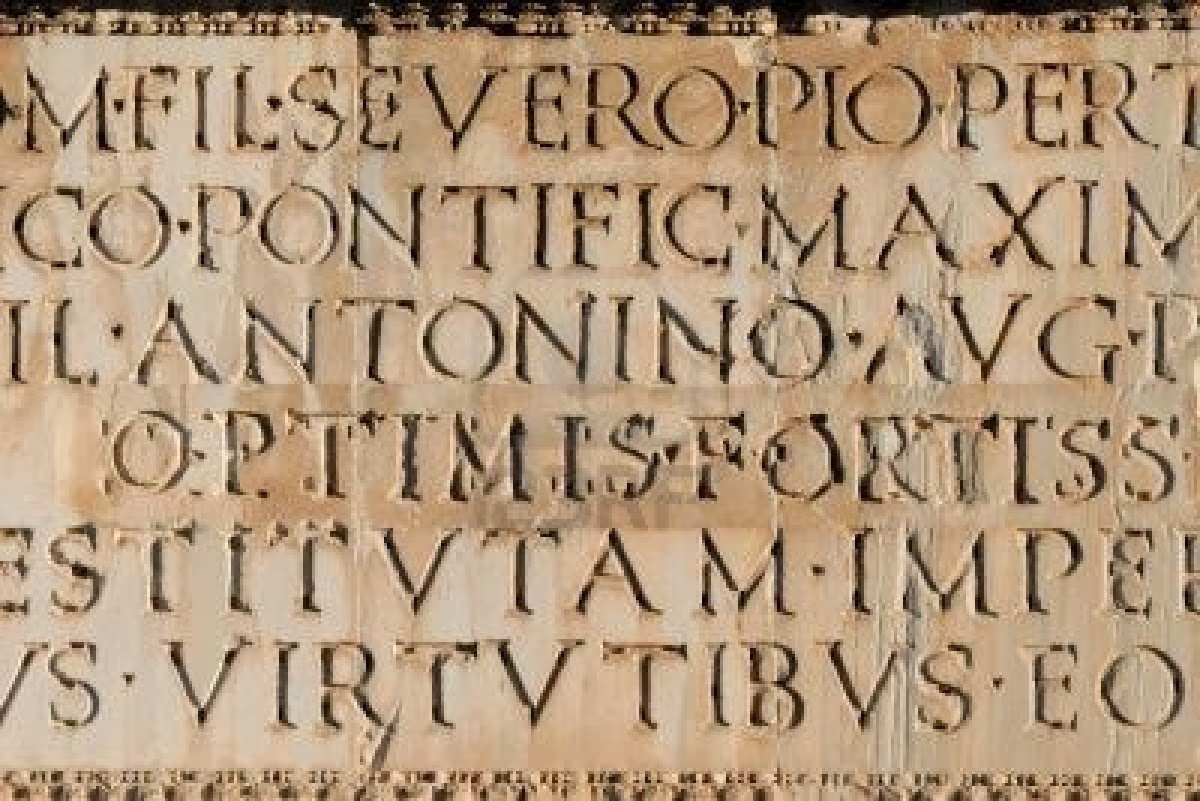
The Church uses and promotes the Latin language. Canon 928 says, “The Eucharistic celebration is to be carried out either in the Latin language or in another language…” Canon 249 states, “The Programme of Priestly Formation is to provide that the students are not only taught their native language accurately, but are also well versed in Latin…” And Vatican II states in the Constitution on the Sacred Liturgy (para. 54) about the parts of the Mass, “Nevertheless, care must be taken to ensure that the faithful may also be able to say or sing together in Latin…”
The words that author Robert Bolt puts in St. Thomas More’s mouth reflect a truth about the Latin language in our religion. The Church does not claim that Latin is holy or divinely mandated. So if one wishes to think with the Church, the question arises about why the Church uses and promotes Latin so much. I see two reasons: unity and apologetics.
Latin brings unity because the universal Church prays together in one language. And Latin helps apologetics because it shows that our religion traces back to Rome, the capital of the Empire whose vernacular language was Latin. And the first bishop of Rome was St. Peter. And only to Peter did Christ say that upon him He would build His Church and the forces of evil would never conquer it (cf. Mt 16:18).
This post is also available in:
 Inglés
  Hindi
Hindi  Italiano
  Polaco
  Eslavo
  Ucraniano